
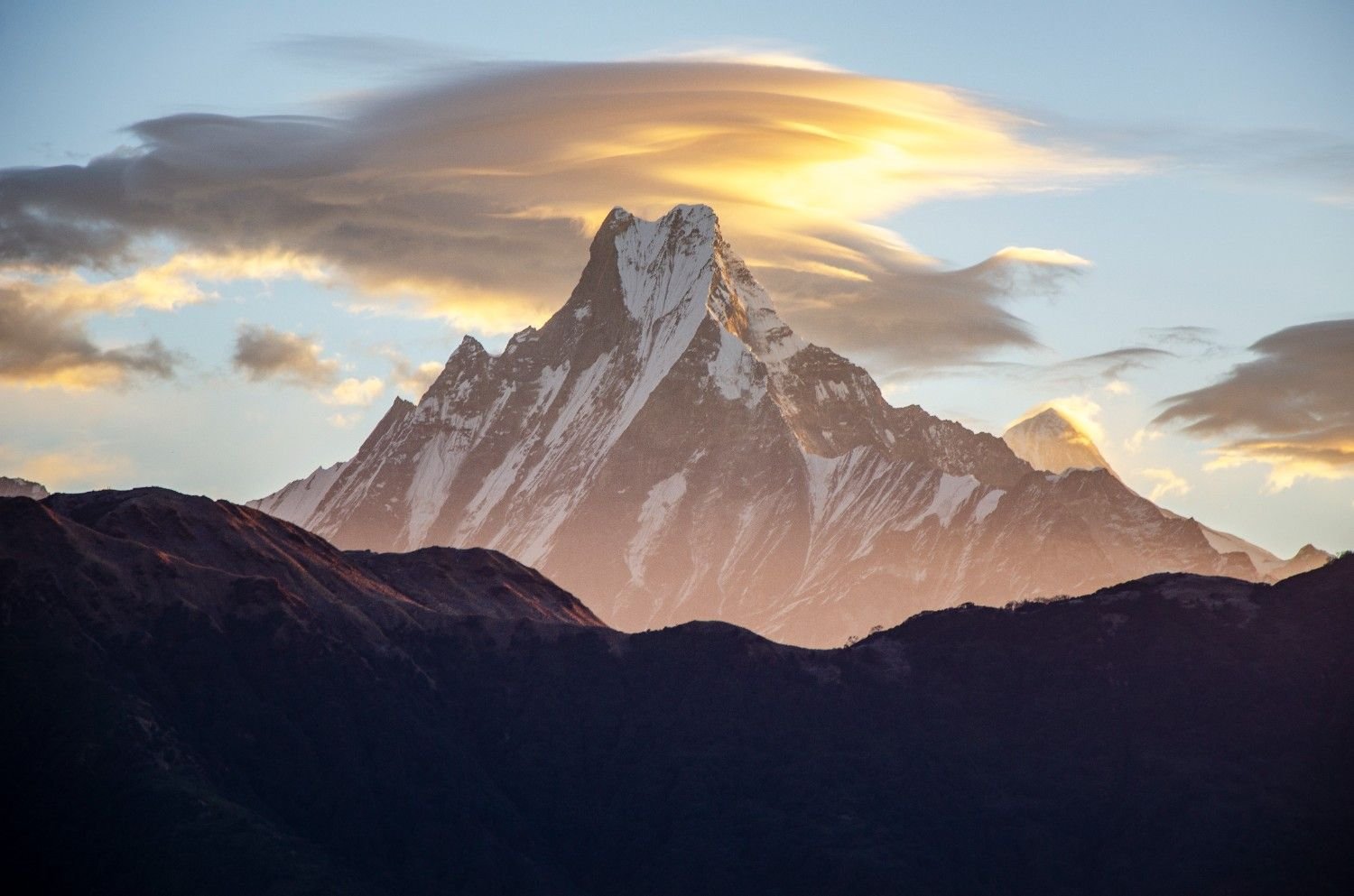
Discover the enchanting Himalayan kingdom where ancient traditions meet breathtaking landscapes
Introduction
Nepal brings to mind snow-capped peaks piercing the clouds, prayer flags dancing in mountain winds, and the warm Namaste greeting. But this landlocked nation between India and China offers far more than trekking. It’s a living museum of heritage where 125 ethnic groups speak 123 languages. Hindu temples stand beside Buddhist stupas. Centuries-old traditions pulse through a nation racing toward modernity.
Why Nepal Travel Captures Hearts Worldwide
Nepal presents a unique paradox for travelers. Here, you can witness the world’s highest mountain, Everest (called Sagarmatha in Nepali and Chomolungma in Tibetan). It stands at 8,848.86 meters. Yet the country’s true height isn’t measured in meters. It’s measured in its deep cultural heritage, the warmth of its people, and the transformative divine power of its landscapes.
The Art of Exploring Nepal’s Hidden Depths
To understand Nepal, you need to look beyond tourist brochures. Geography shapes destiny here. Elevation determines language. People don’t just practice religion, they live it. When exploring Nepal, you’re not just visiting a destination. You’re stepping into a civilization that has mastered harmony amid diversity.
Whether you’re planning your first Nepal travel adventure or returning to discover new corners of this Himalayan kingdom, the journey promises transformation. From the bustling streets of Kathmandu to the serene lakeside of Pokhara, from ancient Lumbini to the wild jungles of Chitwan, Nepal invites you to experience a land where every path leads to wonder.
Nepal’s Geography: From Tropical Plains to Arctic Peaks
Three Ecological Zones
Nepal’s extraordinary biodiversity stems from its dramatic terrain. The country spans just 800 kilometers from east to west and 200 kilometers north to south. Yet it contains three distinct ecological zones that create a vertical journey through climates found nowhere else on Earth.
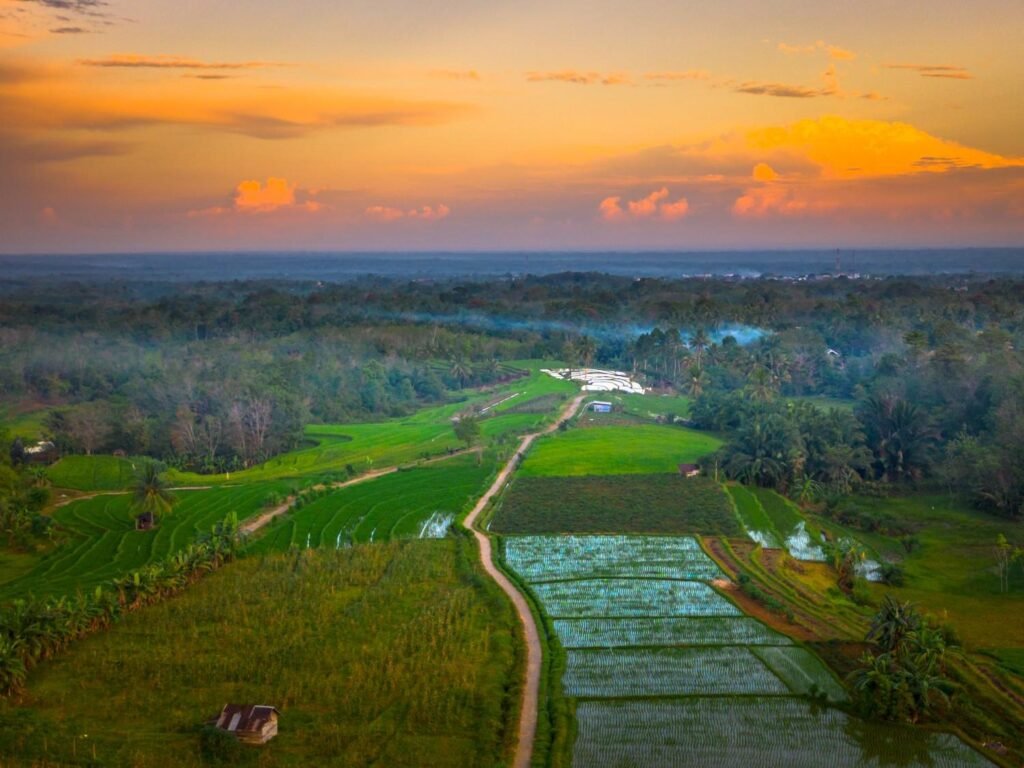
The Terai (60-300m): The southern plains make up 23% of Nepal’s land but host 50% of its population. This subtropical belt once had dense forests. Now it serves as the country’s agricultural heartland. Temperatures soar to 40°C in summer. The air hangs heavy with humidity. The indigenous Tharu people call this home. Their unique culture developed immunity to malaria that once made these jungles deadly for others. Today, Chitwan and Bardia National Parks preserve what remains of the Terai’s wilderness. These sanctuaries protect Bengal tigers, one-horned rhinoceroses, and the rare Gangetic dolphin.
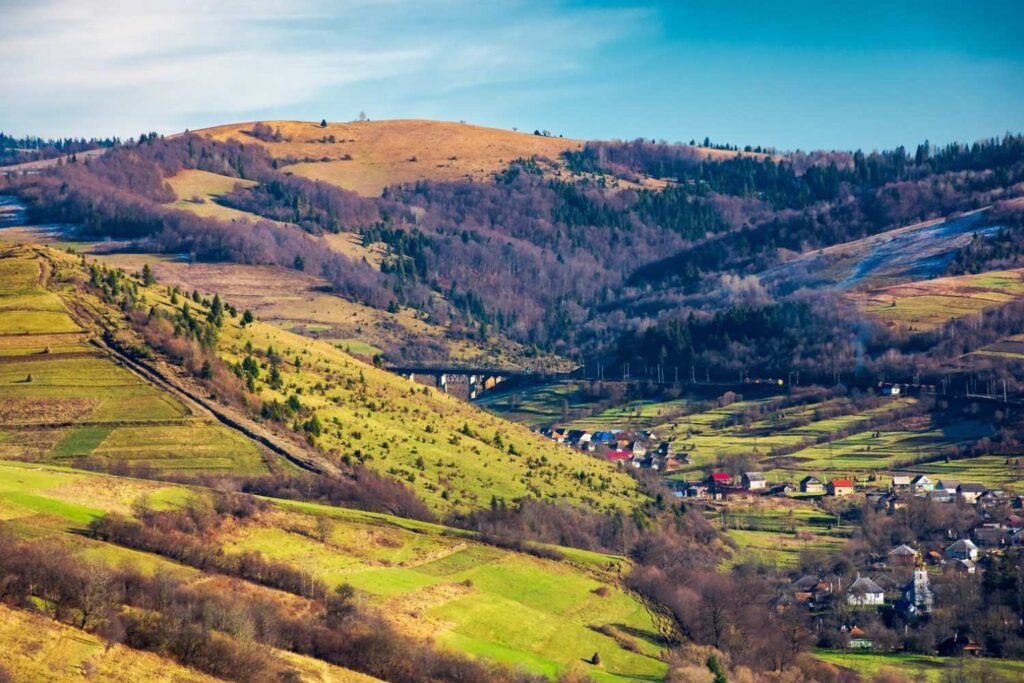
The Hill Region (300-3,000m): The hills cover 68% of Nepal’s territory and form its cultural heartland. You’ll find Kathmandu Valley here at 1,400 meters and Pokhara at 800 meters. Terraced hillsides show where farmers have sculpted the landscape for thousands of years. The Newari people of Kathmandu Valley created sophisticated city-states here. They built architectural marvels that still stand after centuries. The climate ranges from warm to cool temperate, with four distinct seasons. This zone produces Nepal’s famous tea, coffee, and citrus fruits.
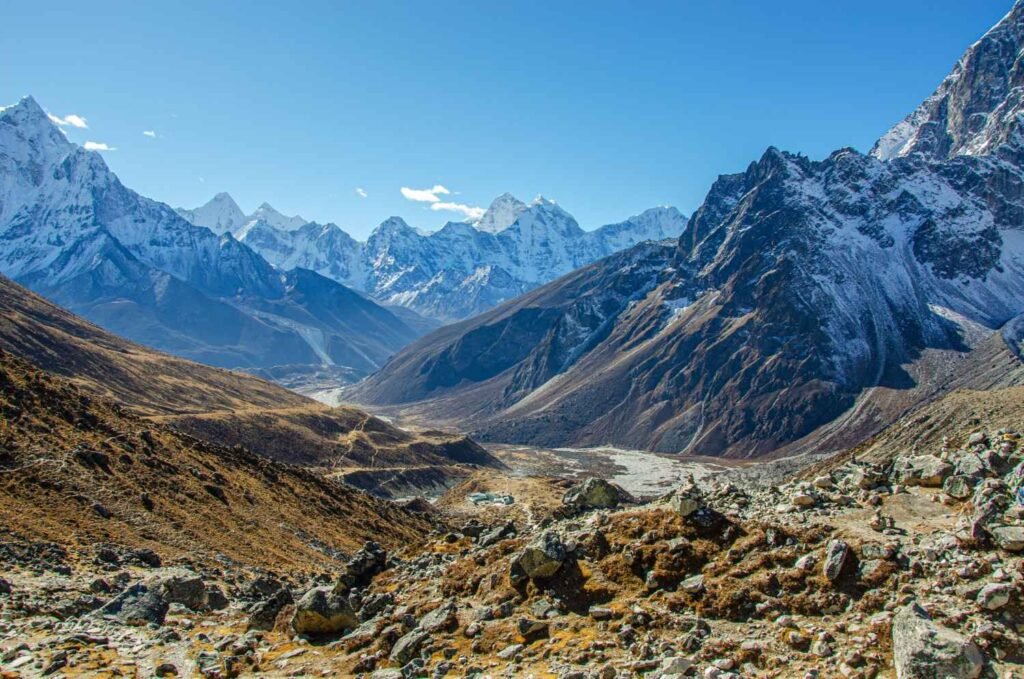
The Mountain Region (3,000-8,848m): The Himalayas occupy just 15% of Nepal’s area but define its global identity. Eight of the world’s fourteen peaks above 8,000 meters rise from Nepali soil. Life here operates under extreme conditions: thin air, brutal cold, and intense solar radiation. Yet the Sherpa, Tamang, and other mountain peoples have thrived here. They developed cultures perfectly adapted to high altitude. Their Buddhist monasteries cling to mountainsides. Their villages serve as gateways to the world’s greatest peaks. Their expertise makes Himalayan expeditions possible.
Nepal’s Cultural Heritage: Understanding Ethnic and Religious Diversity
The Indigenous Peoples: Nepal’s First Inhabitants
Before Nepal existed as a unified nation, diverse peoples inhabited its valleys and mountains. Each group developed distinct cultures shaped by their environments. Understanding these groups reveals the complexity beneath Nepal’s surface.
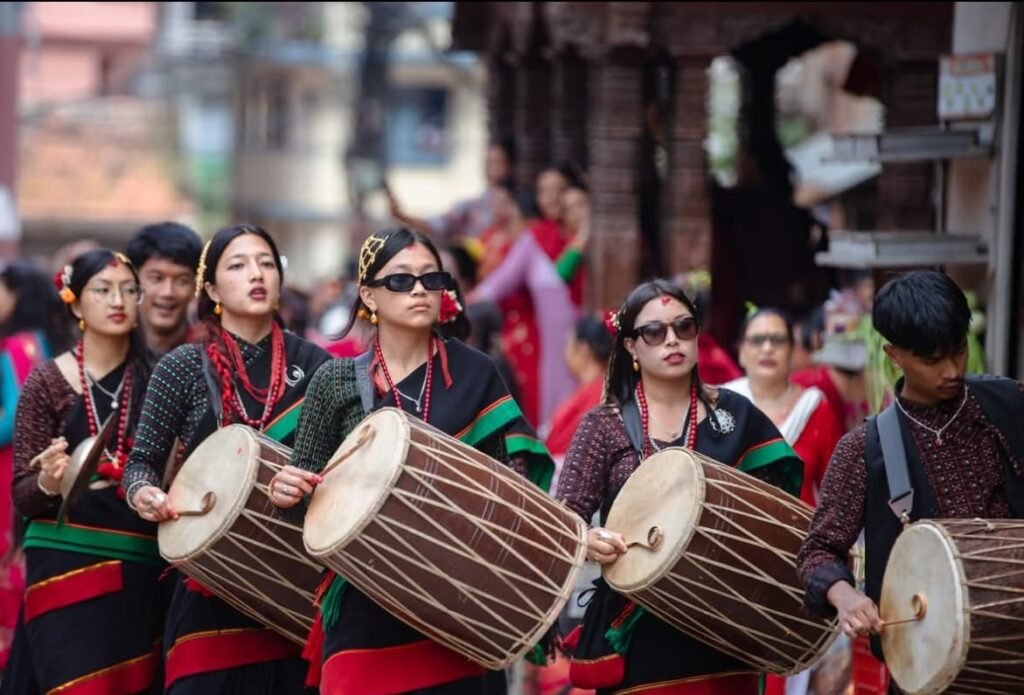
The Newari Civilization: The Newar people of Kathmandu Valley created one of Asia’s most sophisticated urban civilizations. Their religion blends Hindu and Buddhist traditions into something uniquely their own. Their language preserves Sanskrit texts lost elsewhere. Their architecture pioneered the pagoda style that spread throughout East Asia. Their festivals follow a lunar calendar so complex it requires years of study to master.
Walk through Bhaktapur or Patan, and you traverse spaces designed with deep spiritual meaning. Every courtyard, temple position, and water spout location reflects Newari understanding of sacred geometry. The traditional Newari home itself is a mandala, a three-dimensional representation of cosmic order.
The Sherpa Heritage: “Sherpa” has become synonymous with “mountain guide” worldwide. But it’s actually an ethnic group whose name means “people from the East.” Sherpas migrated from Tibet 500 years ago. They settled in the Khumbu region below Everest, where they developed a culture perfectly balanced between Buddhist spirituality and extreme-altitude survival.
Sherpa society revolves around the monastery (gompa) and community cooperation. Their hospitality tradition states that no traveler should go without shelter or food. This has made Himalayan trekking possible. Their Buddhist practice emphasizes compassion for all beings, including the mountains themselves. They consider these peaks sacred. Sherpas don’t conquer Everest (Chomolungma—”Mother Goddess of the World”). They respectfully visit it.
The Tharu Culture: The indigenous Tharu people of the Terai developed unique cultural practices shaped by their jungle environment. Their traditional stilt houses protect against flooding and wildlife. Their art features bold geometric patterns and natural pigments. Their calendar revolves around agricultural cycles. Tharu women wear distinctive silver jewelry and colorful saris. Their dance traditions tell stories of jungle life, fertility, and the relationship between humans and nature.
The Tharu developed genetic adaptations to malaria. This allowed them to thrive in the Terai when others considered it a “death zone.” Their traditional knowledge of medicinal plants, sustainable forest management, and wildlife behavior offers insights that modern conservation efforts are only beginning to appreciate.
Kathmandu Valley: The Soul of Nepal’s Cultural Heritage
The Seven UNESCO World Heritage Sites
Kathmandu Valley contains seven UNESCO World Heritage monument zones within a 20-kilometer radius. This concentration of cultural significance is unmatched globally. Each site represents different aspects of Nepali civilization.
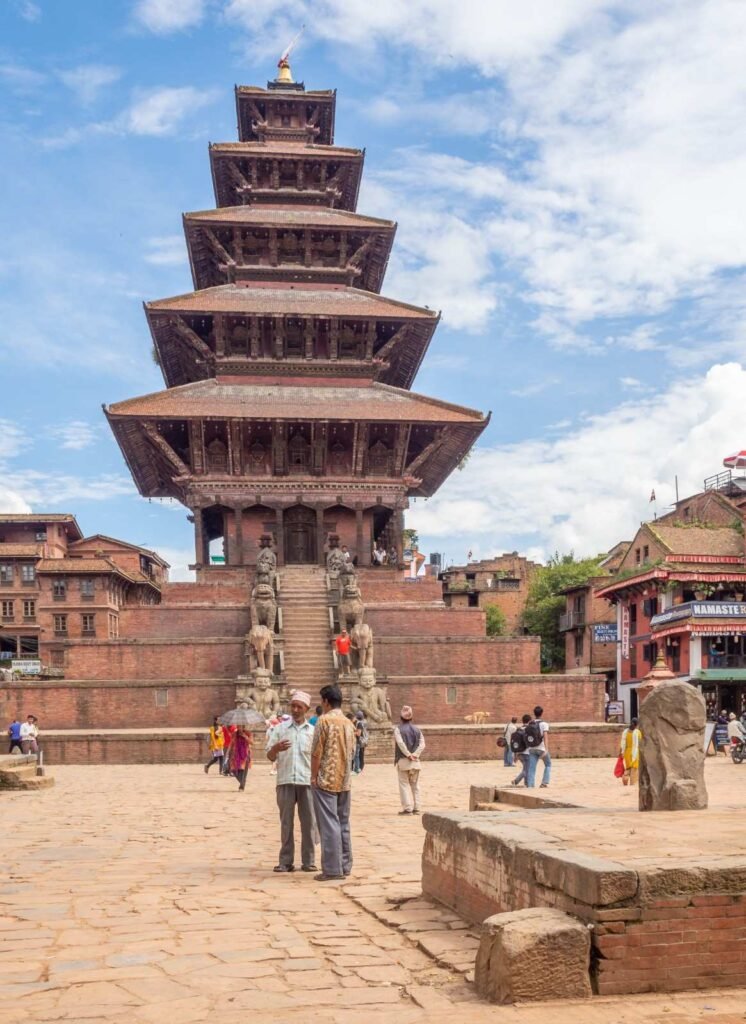
Kathmandu Durbar Square: This square was once the royal palace complex of the Royal Malla & Shah kings. It showcases Newari architecture at its finest. The Kumari Ghar houses the living goddess, a young girl believed to be the incarnation of the goddess Taleju. The selection process involves tests of courage and composure. The girl must remain calm while surrounded by buffalo heads in a dark room. This tradition, controversial to some, reflects deep Nepali beliefs about divinity showing itself in human form.
The 2015 earthquake destroyed several structures here. Yet the reconstruction reveals Nepal’s commitment to preserving its heritage. Artisans use traditional techniques. They hand-carve every detail to match the originals. This isn’t mere restoration—it’s cultural continuity. It ensures skills pass to new generations.
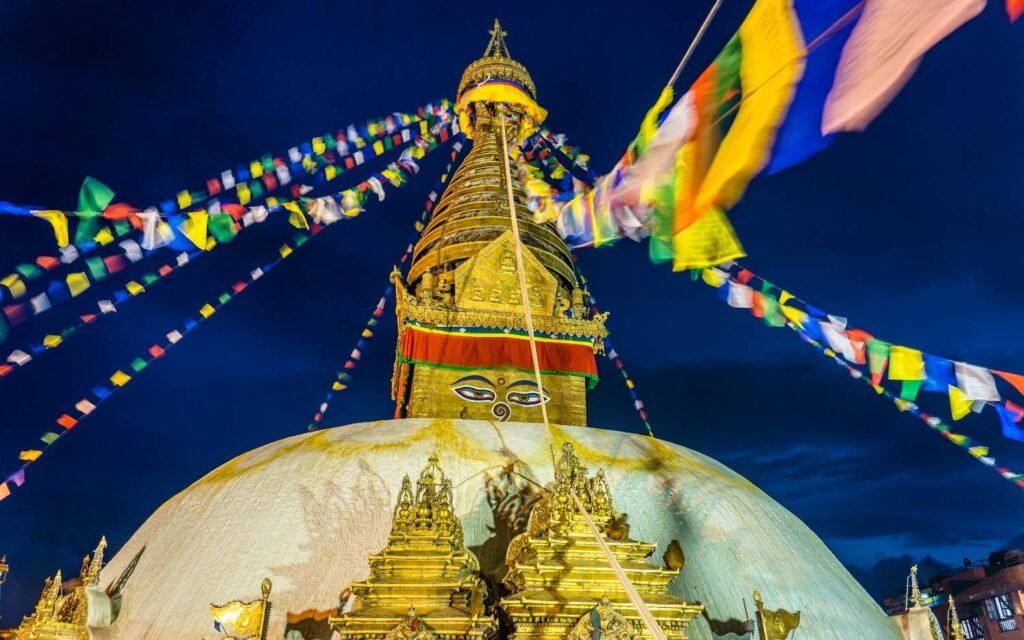
Swayambhunath Stupa: Perched atop a hill overlooking Kathmandu, Swayambhunath has watched over the valley for over 2,000 years. Legend says the valley was once a lake. When the bodhisattva Manjushri drained it with his sword, the lotus that grew at the lake’s center became Swayambhunath.
The stupa’s design embodies Buddhist cosmology. The square base represents earth. The dome is water. The spire is fire. The umbrella is air. The pinnacle is space. These are the five elements of existence. The all-seeing Buddha eyes gaze in four directions. They represent wisdom and compassion watching over all beings.
What strikes visitors most is the atmosphere. Despite monkey antics and tourist crowds, a real sense of the sacred fills the site. This is authentic living religion, not a museum. Tibetan Buddhist pilgrims walk around the stupa, spinning prayer wheels and chanting mantras. Hindu sadhus meditate in small shrines. The sacred and the everyday blend seamlessly.
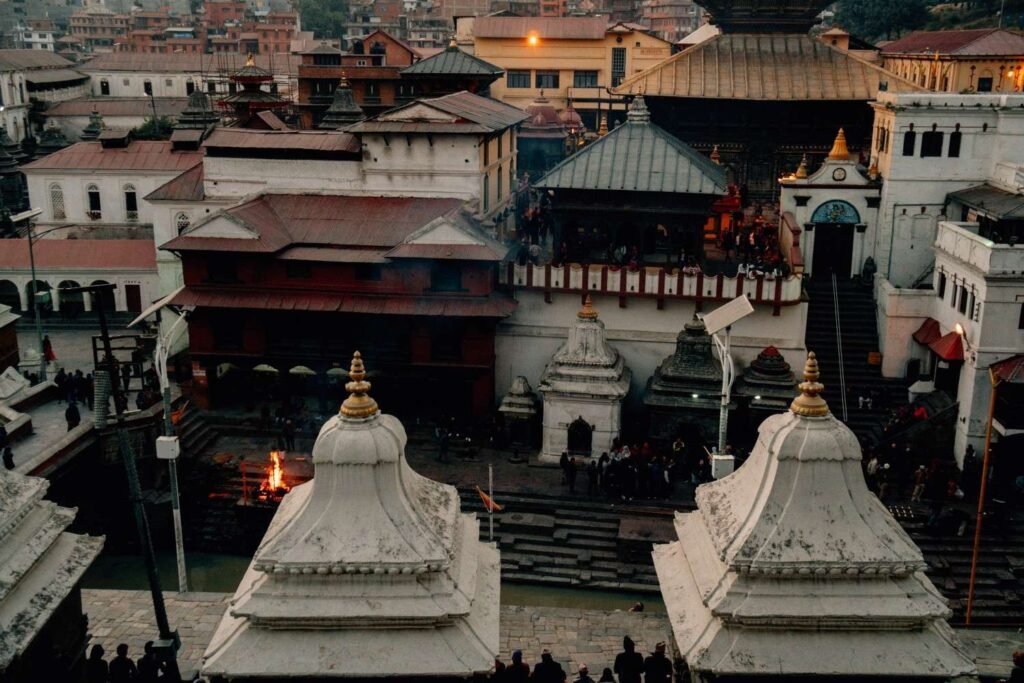
Pashupatinath Temple: Nepal’s holiest Hindu site sits on the banks of the sacred Bagmati River. Here, the cycle of life and death plays out visibly. Cremation fires burn continuously, releasing souls from their earthly bodies. For many travelers, witnessing these ceremonies can be psychologically challenging yet profound.
Hindu philosophy teaches that death isn’t an ending but a transition. The body is mere clothing for the eternal soul. Watching families perform last rites for their loved ones, seeing bodies consumed by flames, confronting mortality so directly—this strips away Western euphemisms about death. It’s uncomfortable, but it’s also real in a way that modern life rarely permits.
Only Hindus may enter the main temple. But you can observe from across the river and gain insights into devotional practices. Sadhus, Hindu holy men who renounce worldly life, meditate in the complex. Their ash-covered bodies and dreadlocked hair mark their status between the material and spiritual worlds.
Nepali Cuisine: Food as Cultural Expression
Food reveals culture like few other aspects of life. Nepal’s cuisine reflects its ethnic diversity, geographic variation, and religious traditions. For travelers, approaching food with cultural understanding enriches the experience.

Dal Bhat: Nepal’s Comfort Food: Lentil soup and rice appears simple. But dal bhat represents sophisticated nutritional wisdom. The combination provides complete proteins. The vegetable curries (tarkari) add vitamins and minerals. The pickle (achaar) aids digestion. The portion size is unlimited, important in a country where food security has historically been uncertain.
The phrase “Dal bhat power, 24 hour” reflects the meal’s role in Nepali life. Most Nepalis eat it twice daily. It provides sustained energy for physical labor. For trekkers, it becomes the fuel that makes high-altitude hiking possible. But dal bhat is also social glue. Sharing this meal bonds people. Serving food to guests fulfills a sacred duty in Hindu culture.
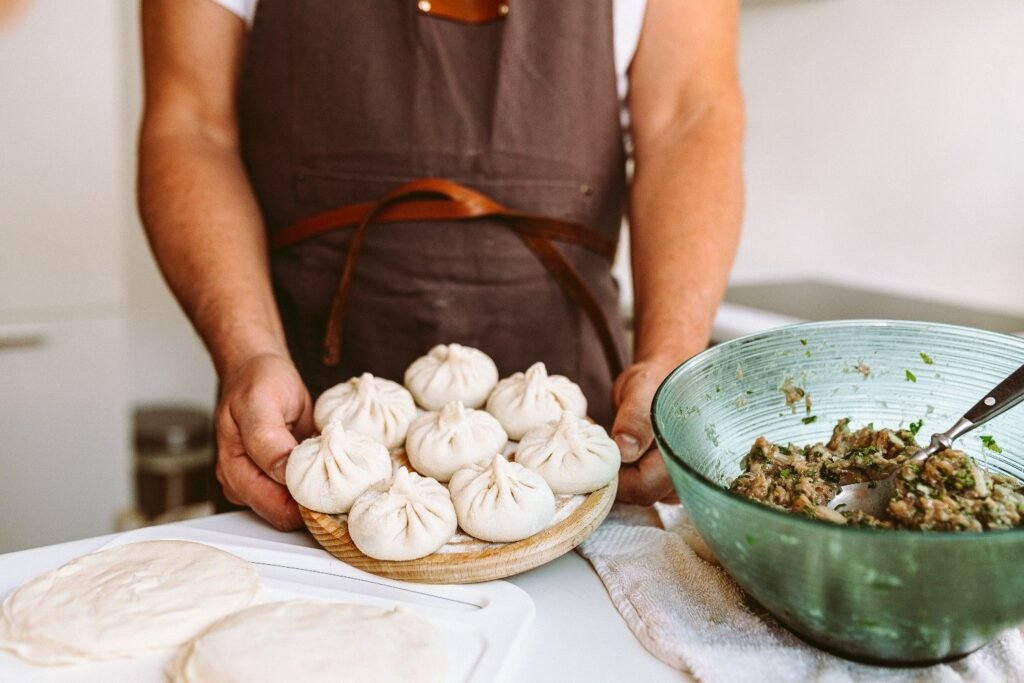
Momo Culture: These Tibetan-style dumplings have become Nepal’s national snack food. But momos reveal cultural exchange patterns. Tibetan immigrants brought them here. Initially, they were exotic. Now, every neighborhood has momo shops. Local variations reflect innovation, buffalo, chicken, vegetable, paneer, even chocolate dessert momos.
The communal nature of eating momos reflects Nepali social values. People share plates, dip in spicy sauce, and let conversation flow. Food isn’t fuel. It’s relationship.
Regional Specialties and Ethnic Cuisines: Nepal’s diversity appears in its regional foods. Newari cuisine features items like bara (lentil pancakes) and chatamari (rice crepes). Tharu people prepare dishes like dhikri (steamed rice dough) and ghonghi (freshwater snails). Tibetan-influenced areas serve thukpa (noodle soup) and butter tea. The latter is an acquired taste that grows on you at high altitude.
Understanding food taboos helps avoid offense. Many Hindus don’t eat beef (the cow is sacred). Many Buddhists avoid meat entirely. Everyone has strong opinions about the proper way to eat rice (never with the left hand, never wasted). These aren’t random rules. They reflect deep cultural values about purity, compassion, and respect.
Street Food: The Democracy of Flavor
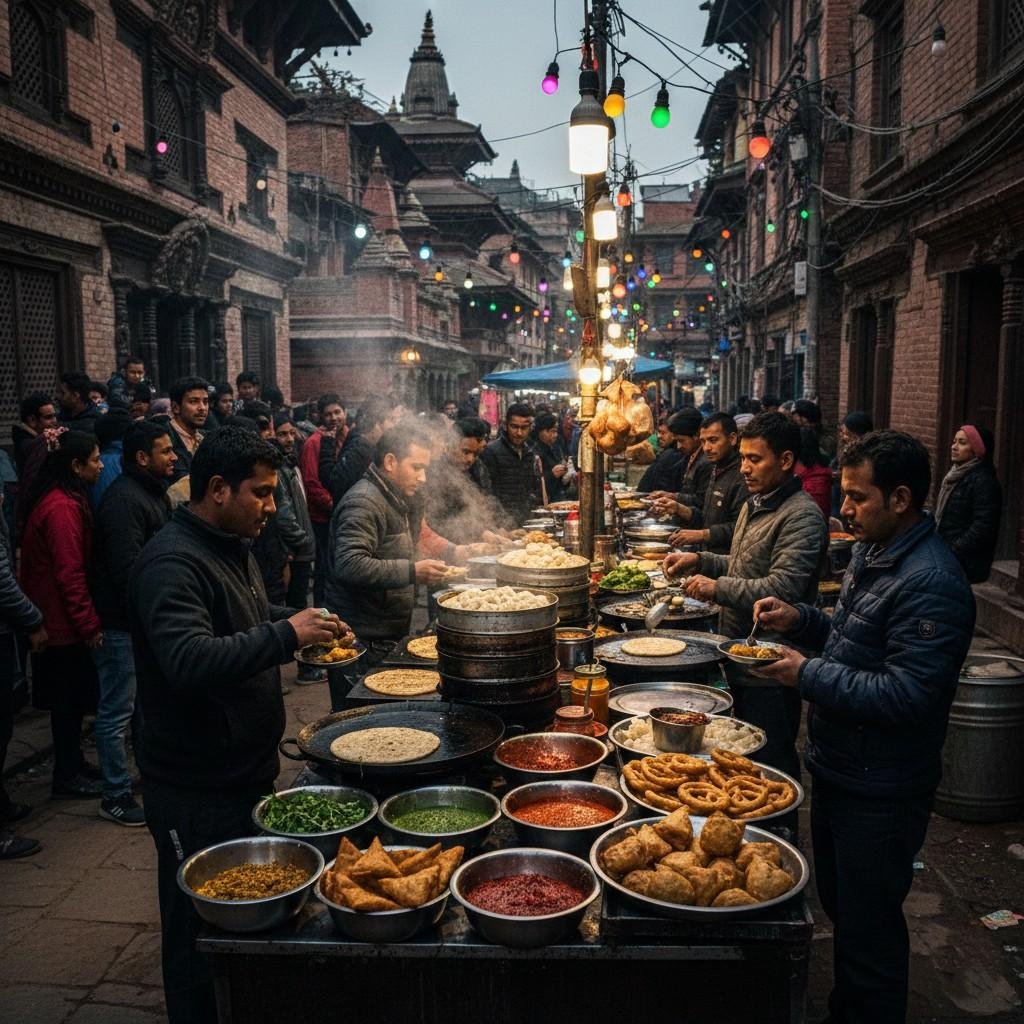
Kathmandu’s street food scene operates as a great equalizer. Businessmen in suits stand beside laborers in dusty clothes. Everyone enjoys the same chatpate (spicy puffed rice) from the same vendor. This democratic aspect of food culture reflects Nepal’s relatively flat social structure compared to other South Asian nations.
For travelers, street food offers authentic cultural immersion. The vendor who’s served the same corner for twenty years knows every regular customer’s preference. The shared benches where strangers eat side by side spark conversations that would never happen in restaurants. The bargaining, joking, and casual intimacy of street food culture reveal Nepal’s social fabric.
Safety-conscious travelers can eat street food wisely. Choose busy stalls with high turnover. Watch for proper cooking temperatures. Avoid raw vegetables. Trust your instincts. Your digestive system will adjust. The cultural rewards far exceed the minor risks.
Trekking in Nepal: Physical Challenge, Psychological Transformation
The Major Trekking Routes: More Than Scenic Trails
Nepal offers over 1,000 trekking routes. Several have achieved legendary status. Understanding what makes each unique helps travelers choose wisely.
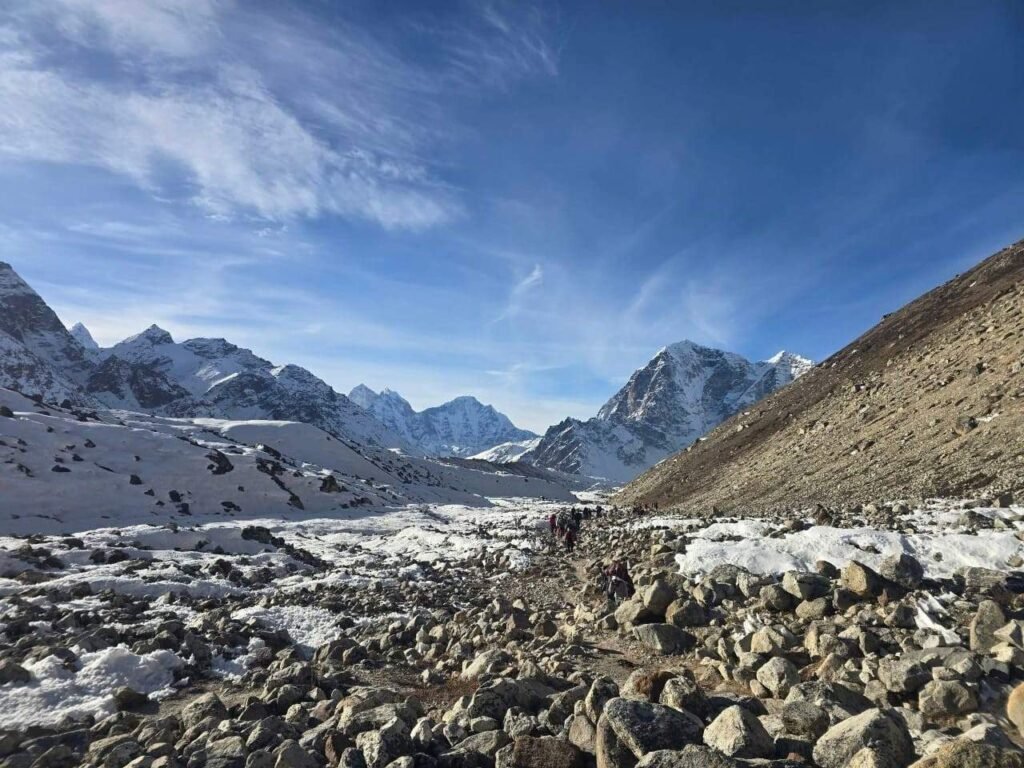
Everest Base Camp Trek (12-14 days): This isn’t just a trek, it’s a pilgrimage to the world’s highest peak. You follow the route that Hillary and Tenzing pioneered. You pass through Sherpa heartland. You visit Buddhist monasteries where monks chant at dawn. You cross suspension bridges that sway over turquoise rivers. Ultimately, you stand at 5,364 meters where climbers prepare for summit attempts.
The psychological arc of the EBC trek mirrors classic hero’s journey stories. You leave the ordinary world (Lukla). You face challenges (altitude, weather, self-doubt). You receive help from mentors (Sherpa guides). You reach the ordeal (Cho La Pass or Gokyo Lakes for those doing the extended route). You return transformed. Trekkers consistently report that the trek changed their self-perception, increased confidence, and provided clarity about life priorities.
But EBC has become crowded. The trail sees over 50,000 trekkers annually. This creates environmental strain and reduces the wilderness experience. Understanding this helps set appropriate expectations and encourages responsible behavior.
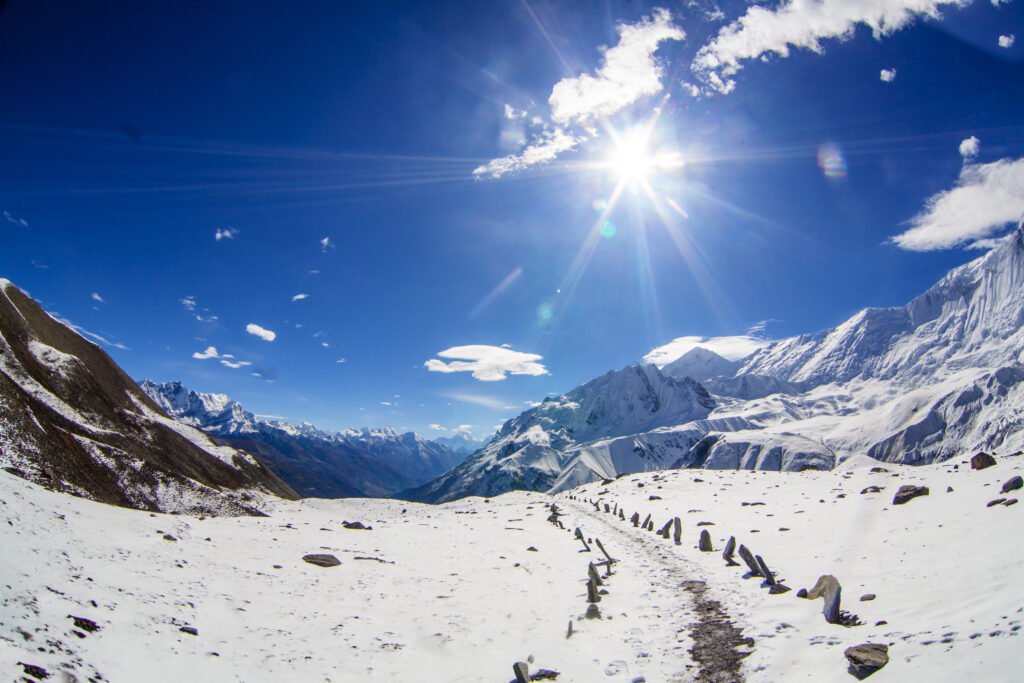
Annapurna Circuit (15-20 days): If EBC is a pilgrimage, the Annapurna Circuit is an anthropological expedition. This trek circles the Annapurna massif. You pass through subtropical rice paddies, temperate forests, high-altitude deserts, and arctic conditions, all within two weeks.
The cultural diversity along the route is extraordinary. Lower regions feature Hindu villages with terraced fields. Mid-elevations show Buddhist influence with prayer flags and chortens. Higher areas like Manang reveal pure Tibetan culture. The Thorong La Pass (5,416m) tests every trekker. But the descent into the Mustang region rewards you with stark, wind-sculpted landscapes that feel otherworldly.
The Annapurna Circuit has changed. A road now runs parallel to much of the route. Some sections can be driven. Purists regret this development. But it’s also made the trek accessible to those with less time or physical capability. Understanding this helps travelers choose whether to seek the “authentic” experience or appreciate the circuit’s current form.
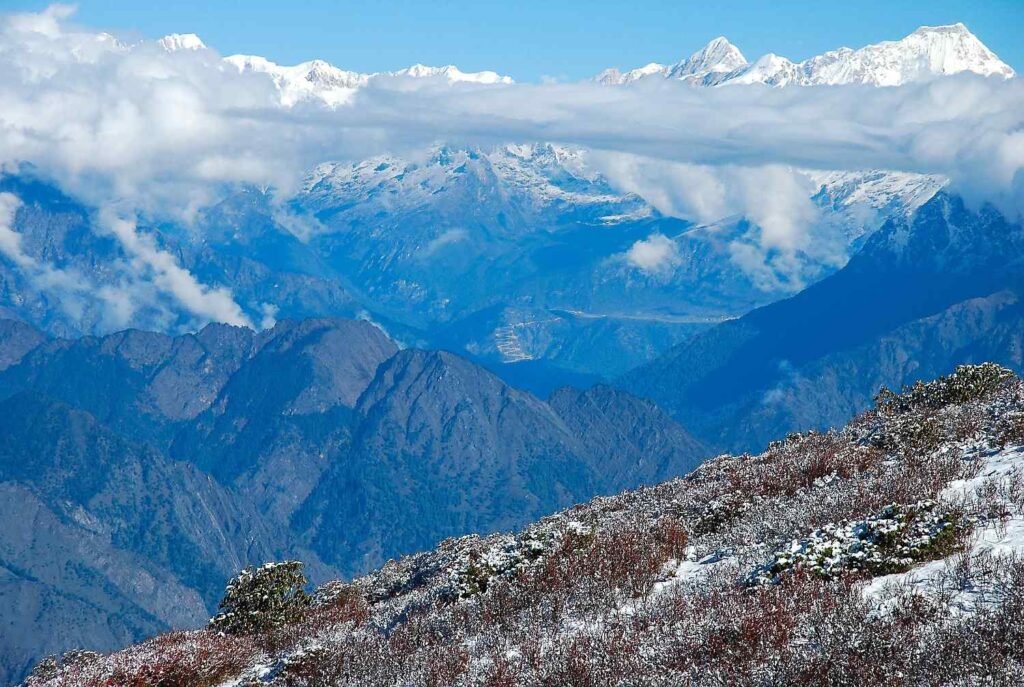
Langtang Valley Trek (7-10 days): Shorter but equally powerful, the Langtang trek showcases why Nepal captivates. The valley offers intimate encounters with Tamang culture, stunning mountain views, and achievable altitude challenges without the crowds of EBC or Annapurna.
The 2015 earthquake devastated Langtang Village, killing over 300 people. Trekking here now supports reconstruction efforts. Every lodge stay and every meal purchased directly helps communities rebuild. This adds an ethical dimension to the physical journey. Your tourism dollars become reconstruction funds.
The Psychology of High-Altitude Trekking
Altitude affects human psychology in documented ways. Above 2,500 meters, reduced oxygen impacts thinking, emotions, and decisions. Understanding these effects helps travelers prepare mentally.
Altitude and Consciousness: Mild oxygen deprivation at high altitude can cause euphoria, visual distortions, and altered time perception. This isn’t necessarily dangerous, but recognizing these effects prevents poor decisions. The “summit fever” that leads climbers to take fatal risks stems partly from altitude-induced changes in how we assess risk.
On the other hand, altitude can deepen meditative and contemplative states. The physical challenge of trekking quiets the mind’s chatter. The oxygen reduction creates conditions similar to certain meditation techniques. Many trekkers report deep insights or emotional breakthroughs during high-altitude hiking.
Group Dynamics on the Trail: Multi-day treks create intense bonding experiences. Sharing challenges, supporting struggling companions, celebrating summit reaches—these forge relationships quickly. Social psychologists call this “shared adversity bonding.” It explains why trekking friendships often feel deeper than those formed in ordinary circumstances.
However, group conflicts can intensify under altitude stress. Understanding this helps travelers maintain patience when tensions arise. The irritable companion at 4,000 meters might simply be experiencing altitude effects, not revealing their true personality.
Solitude and Self-Discovery: Many trekkers seek solitude in the mountains, hoping for self-discovery. The psychology behind this is sound. Removing ordinary life’s distractions allows introspection. The physical challenge provides metaphors for life challenges. The beauty triggers awe that shifts perspective.
But solitude can also amplify negative thought patterns. Trekkers dealing with depression or anxiety should consider trekking with companions or guides. The mountains don’t solve psychological problems. They simply provide a different context for approaching them.
Responsible Trekking: Environmental and Cultural Considerations
Nepal’s trekking industry generates crucial revenue but also creates significant environmental and cultural strain. Travelers have a responsibility to minimize negative impacts.
Environmental Concerns: Popular routes face deforestation (lodges need firewood), water pollution (inadequate sewage systems), and garbage buildup (trekkers generate 100 tons of waste annually on Everest alone). Several programs address these issues:
- The Annapurna Conservation Area Project pioneered community-based conservation
- The Sagarmatha Pollution Control Committee manages waste on Everest routes
- Many lodges now use solar power and bio-gas digesters
Travelers can contribute by:
- Carrying reusable water bottles with purification systems
- Refusing plastic-wrapped products
- Taking short showers (or none—it’s okay to be dirty on a trek)
- Packing out all non-organic waste
- Supporting lodges using sustainable practices
Cultural Sensitivity: Trekking routes pass through inhabited areas where people live traditional lives. Understanding cultural norms shows respect:
- Always ask permission before photographing people, especially children
- Dress modestly (cover shoulders and knees) in villages
- Remove shoes before entering homes or temples
- Accept tea offered by villagers (refusing can offend)
- Don’t give candy or money to children (this encourages begging)
- Learn basic Nepali phrases (effort matters more than accuracy)
Fair Treatment of Porters: The porter system makes trekking accessible but raises ethical concerns. Porters carry enormous loads (often 25-40kg) for low wages in harsh conditions. Some agencies exploit porters. They provide inadequate equipment and insurance.
Responsible trekking agencies ensure porters receive:
- Appropriate clothing and gear for high altitudes
- Insurance coverage for accidents and altitude sickness
- Fair wages (clarify what’s included in your trek cost)
- Reasonable loads (maximum 20kg per porter)
- Same food and shelter as clients
Travelers should ask trekking agencies about porter treatment policies. Your questions signal that ethical treatment matters. This encourages agencies to maintain high standards.
Adventure Sports: Nepal’s Adrenaline Offerings
Paragliding in Pokhara: Flying with the Himalayan Griffons
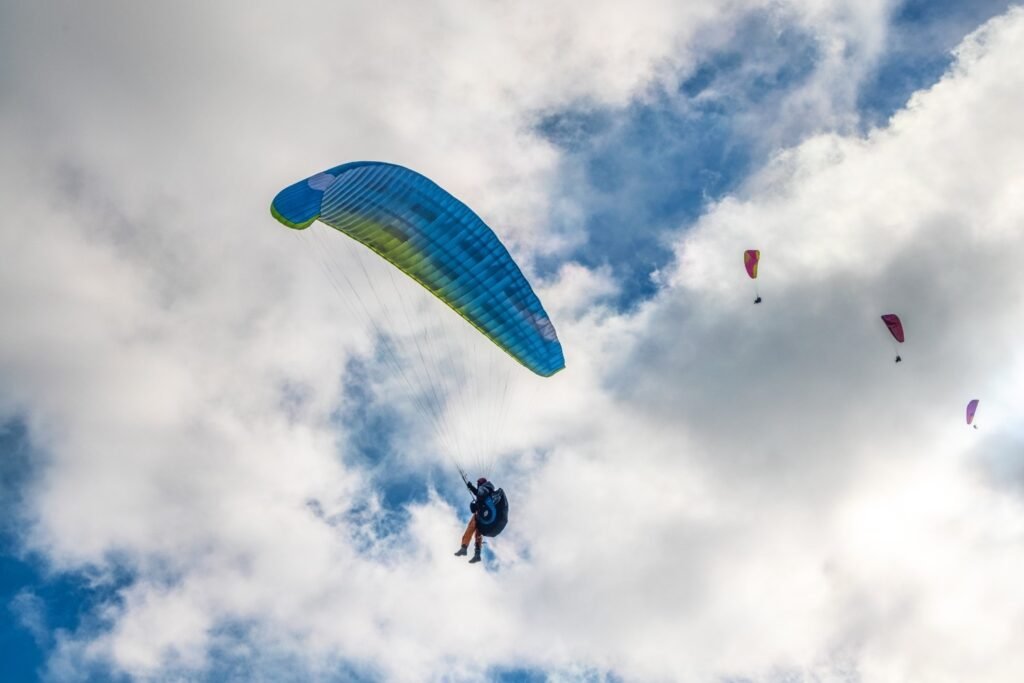
Pokhara has become one of the world’s best paragliding destinations. The combination of stable thermals, stunning scenery, and professional operators creates an experience that’s both thrilling and safe.
You take off from Sarangkot (1,592m) and soar above Phewa Lake with the Annapurna range filling the horizon. This triggers deep awe responses. Pilots often spot Himalayan griffons, massive vultures with three-meter wingspans, riding the same thermals. These moments create a visceral understanding of flight that no ground-based experience matches.
The psychology of voluntary risk-taking reveals interesting patterns. People who engage in calculated adventure sports (paragliding with certified pilots, white-water rafting with experienced guides) often report increased confidence and reduced anxiety in daily life. The experience of managing fear, not eliminating it but acting despite it, transfers to other situations.
White-Water Rafting: Nepal’s Mighty Rivers
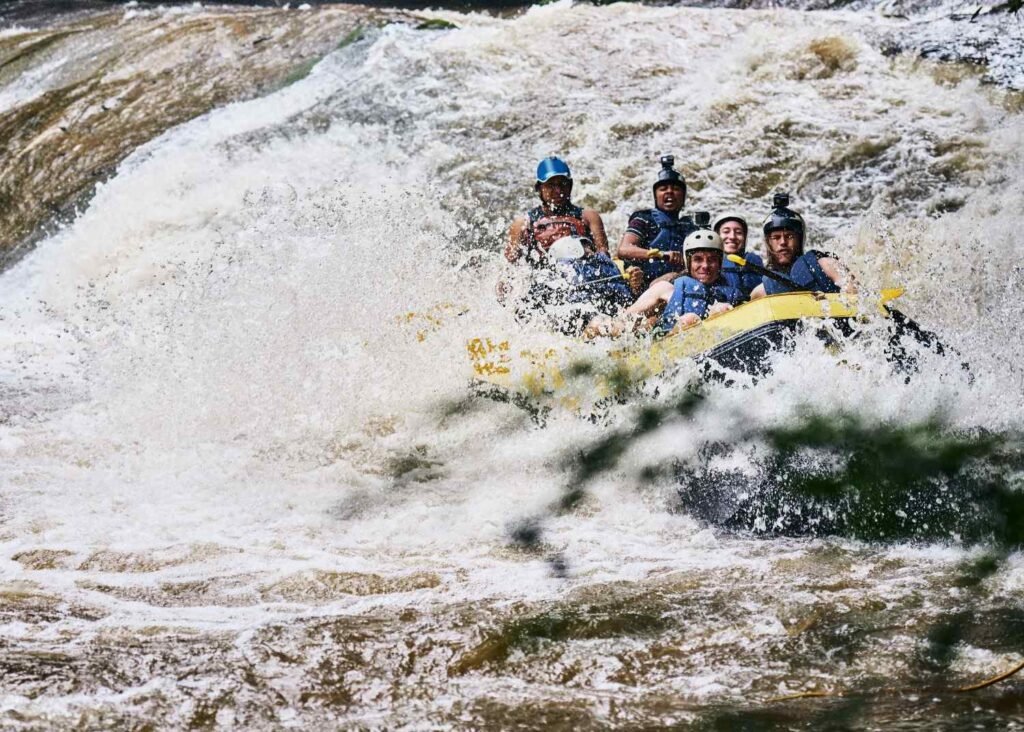
Nepal’s rivers, fed by Himalayan glaciers and monsoon rains, offer world-class rafting. You’ll find everything from gentle Class II floats to expert-only Class V rapids. The Trishuli River provides accessible multi-day trips that combine cultural village visits with exciting rapids. The Bhote Koshi features steep, continuous Class IV-V rapids for adrenaline seekers. The Sun Koshi, “River of Gold,” offers a week-long journey through remote gorges and jungle landscapes.
Rafting Nepal’s rivers provides perspectives unavailable from roads or trails. You witness life along the riverbanks, women washing clothes, children swimming, fishermen casting nets. The river reveals Nepal’s vertical dimension as you descend from hills to plains, watching landscapes transform.
Safety on Nepali rivers requires choosing reputable operators with proper equipment, trained guides, and emergency plans. The adventure travel industry has matured significantly, but standards vary. Travelers should research operators, read reviews, and ask detailed questions about safety procedures.
Mountain Biking: Two Wheels, Infinite Possibilities
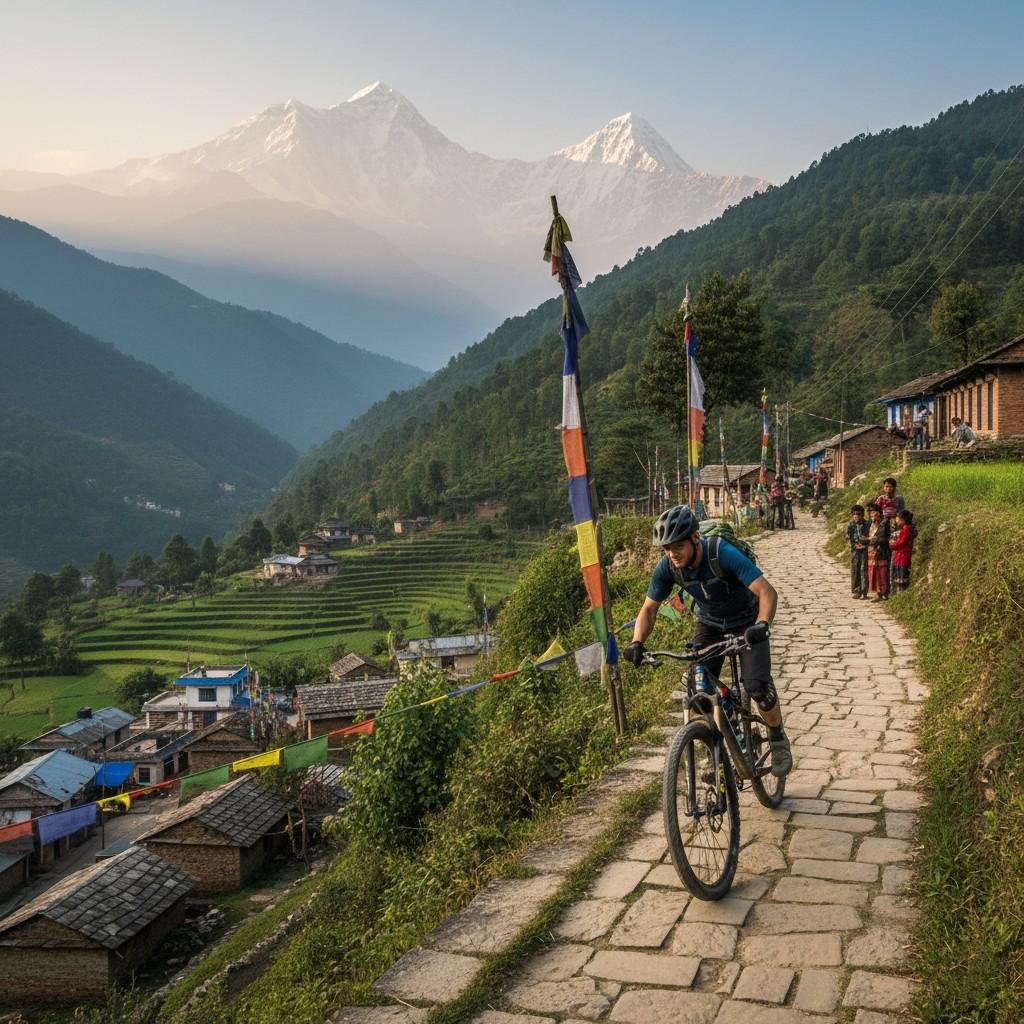
Nepal’s mountain biking scene has exploded recently. Routes range from Kathmandu Valley’s ancient trade roads to technical single-track in the hills to multi-day adventures connecting villages rarely visited by tourists.
Biking offers unique advantages over trekking. You cover more distance. You experience landscapes at different speeds. You interact with locals differently, bikes intrigue rural Nepalis and often spark conversations. The physical challenge differs from trekking. It emphasizes cardiovascular fitness and technical skill over altitude tolerance.
The developing network of mountain bike trails, combined with improving bike rental quality, makes Nepal an emerging destination for cycling enthusiasts. Pioneer spirit still prevails. You’re exploring routes that will become famous but aren’t yet crowded.
Wildlife and Conservation: Nepal’s Ecological Wealth
Chitwan National Park: Jungle Encounters
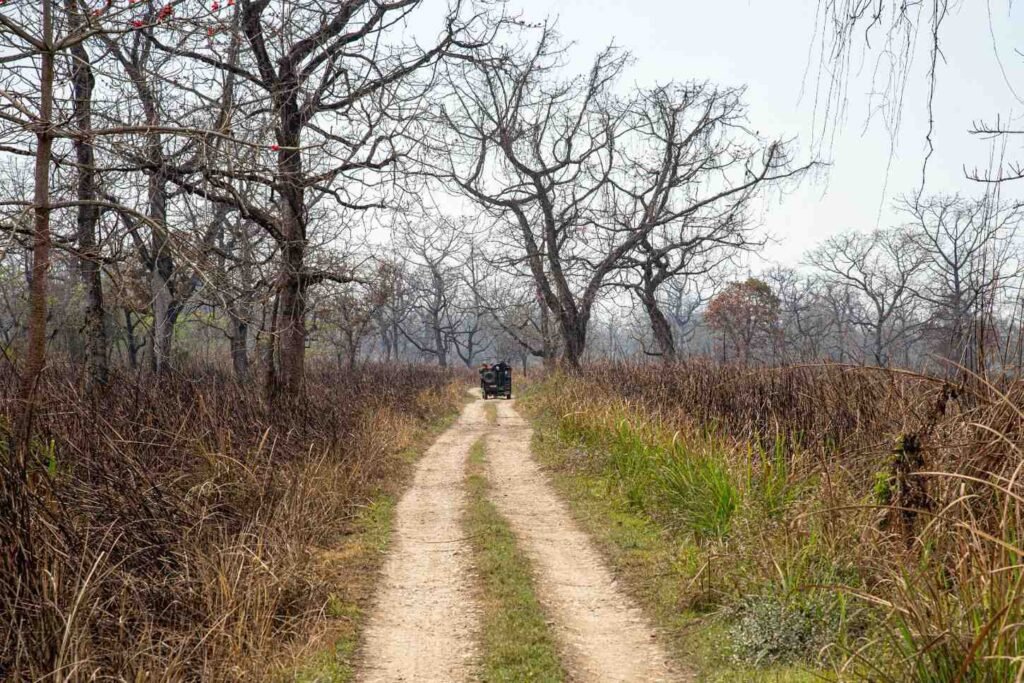
Chitwan National Park, Nepal’s first national park (established 1973), protects 952 square kilometers of subtropical lowland. This UNESCO World Heritage Site showcases conservation success, particularly for the one-horned rhinoceros. The population recovered from fewer than 100 animals in the 1960s to over 600 today.
Jungle safaris in Chitwan offer chances to spot Bengal tigers, leopards, sloth bears, and over 500 bird species. The experience differs fundamentally from African safaris. Chitwan’s dense vegetation means wildlife spotting requires patience and luck. But when a rhino emerges from tall grass three meters away, or you hear a tiger’s roar echo through the jungle, the closeness of these encounters creates lasting memories.
The Tharu people, indigenous to Chitwan, now participate in park management and tourism. This reverses earlier policies that excluded them. This community-based conservation model shows that effective wildlife protection requires including local people in benefits, not just restricting their traditional activities.
Conservation Challenges and Successes
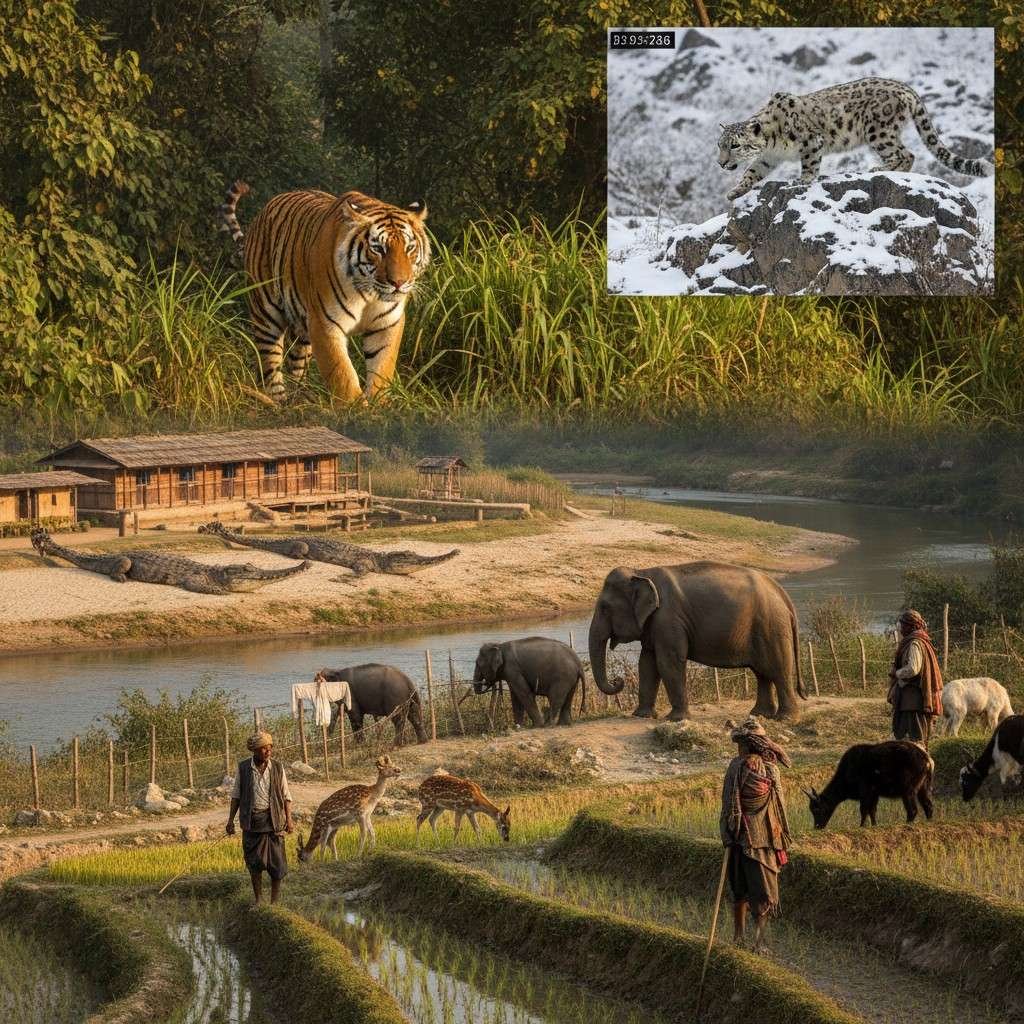
Nepal’s conservation story contains both achievements and ongoing challenges. Tiger populations are recovering after decades of decline. The gharial, a critically endangered fish-eating crocodile, breeds in captivity with releases to wild populations. Snow leopard research using camera traps reveals these elusive predators exist in higher numbers than previously estimated.
However, human-wildlife conflict grows as populations expand and habitats shrink. Farmers lose crops to elephants and deer. Herders lose livestock to leopards and snow leopards. Unless local communities see real benefits from conservation, support fades.
Travelers contribute to conservation simply by visiting protected areas. Entrance fees fund park management. But you can engage more deeply through volunteering with conservation organizations, supporting community-based ecotourism projects, and spreading awareness about Nepal’s conservation successes.
The Snow Leopard: Ghost of the Mountains
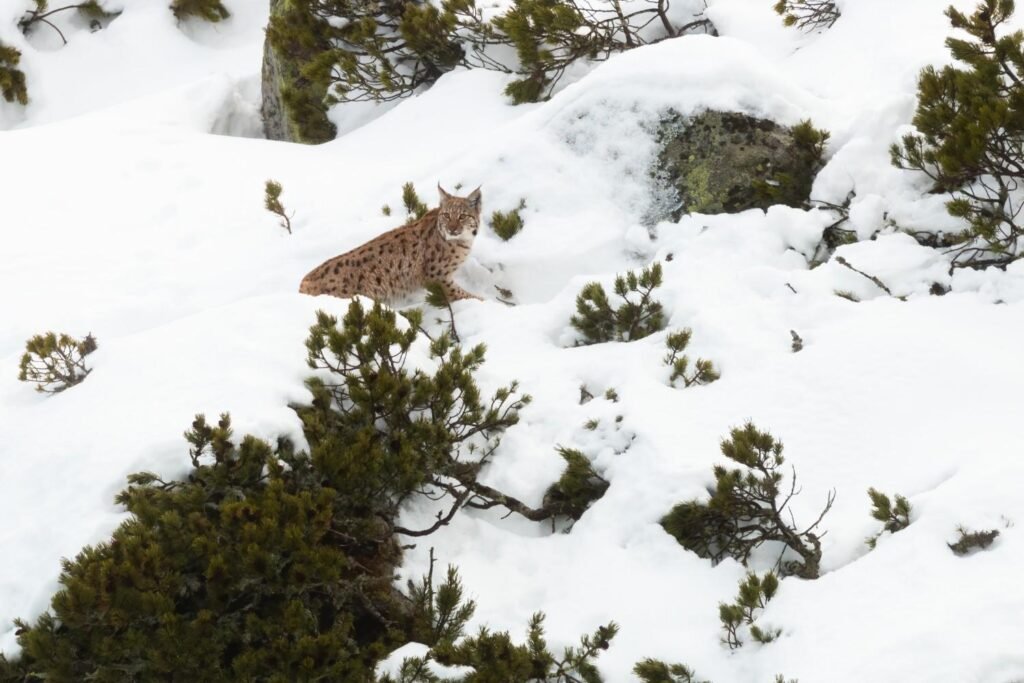
The snow leopard embodies the mystique of Himalayan wildlife. This apex predator roams elevations from 3,000-5,500 meters. It hunts blue sheep and Himalayan tahr across steep terrain. Nepal’s estimated population ranges from 350-500 individuals, though the snow leopard’s secretive nature makes accurate counting difficult.
Snow leopards face threats from poaching (their fur and bones fetch high prices in illegal markets), prey loss, and revenge killing by herders. Yet hope exists. Community-based conservation programs that compensate herders for livestock losses have reduced killing. Camera trap studies reveal snow leopards exist in areas previously considered too disturbed for them.
For travelers, the chance of spotting a wild snow leopard remains remote. Yet knowing these magnificent animals inhabit the mountains you’re trekking through adds dimension to the experience. This is wilderness where apex predators still reign, an increasingly rare condition in our domesticated world.
Spiritual Tourism: Meditation, Yoga, and Self-Discovery
Lumbini: The Buddha’s Birthplace
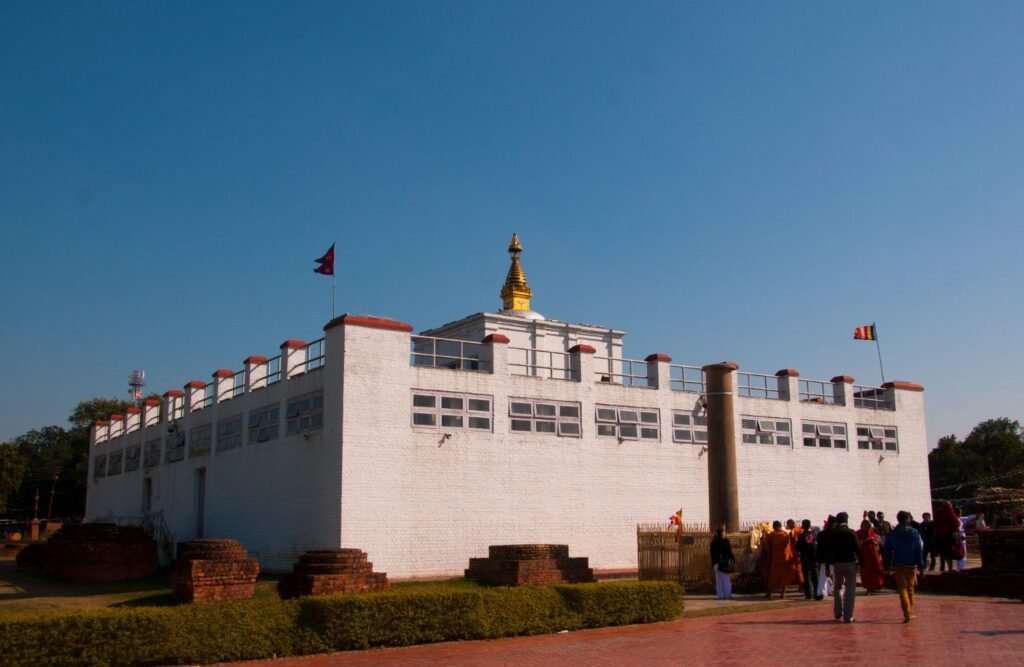
Lumbini, in Nepal’s southern Terai, is where Siddhartha Gautama was born around 563 BCE. This UNESCO World Heritage Site attracts Buddhist pilgrims from across the globe. It offers travelers deep encounters with living Buddhism.
The Sacred Garden contains the Maya Devi Temple. This marks the exact spot of Buddha’s birth. The atmosphere here differs from typical tourist sites. This is one of Buddhism’s holiest places. It’s equivalent to Mecca for Muslims or Jerusalem for Jews. The devotion visible in pilgrims’ faces, the tears some shed, the prostrations performed, these display faith’s power.
The Lumbini Development Zone includes monasteries built by Buddhist communities from Nepal, India, Myanmar, Thailand, Vietnam, Japan, China, and other nations. Each monastery reflects its country’s architectural and artistic traditions while honoring shared Buddhist heritage. Walking through this international Buddhist community reveals both Buddhism’s diversity and its unity.
For travelers interested in meditation, several Lumbini monasteries offer courses. Learning meditation at Buddhism’s birthplace adds historical and spiritual weight. Whether you’re a practicing Buddhist, interested in meditation, or simply curious, Lumbini provides access to authentic Buddhist practice without the commercialization found in some spiritual tourism destinations.
Kopan Monastery: Buddhism for Beginners
Kopan Monastery perches on a hill overlooking Kathmandu Valley. It offers month-long courses introducing Tibetan Buddhism to international audiences. Since the 1970s, thousands of Westerners have attended these courses. Many describe them as life-changing.
The courses combine meditation instruction, Buddhist philosophy, and monastic life experience. Days begin with morning meditation at 6 AM. They include teachings on topics like karma, compassion, and emptiness. They end with evening meditation. Accommodation is simple. Food is vegetarian. Noble silence (not speaking) is observed during certain periods.
What makes Kopan significant is its role in bringing Tibetan Buddhism to the West. As China’s occupation of Tibet destroyed monasteries and scattered teachers, Nepal became a crucial refuge. Kopan represents the adaptation of ancient traditions to modern, international contexts.
Travelers considering such courses should understand the commitment required. A month of intensive meditation and philosophical study challenges comfortable Western assumptions about self, reality, and happiness. But for those seeking more than tourism, those wanting genuine engagement with Buddhist practice—Kopan and similar centers provide authentic opportunities.
Vipassana Meditation: The Art of Living

Nepal hosts several Vipassana meditation centers. They offer ten-day silent retreats based on the technique taught by S.N. Goenka. These courses are free (they operate on donations). They welcome participants regardless of religious background.
Ten days of Vipassana demands intense discipline. You wake at 4:00 AM. You meditate for ten hours daily. No talking. No reading. No writing. No phones. No eye contact with other meditators. You observe sensations throughout your body. You learn to watch experiences arise and pass without reacting. This develops equanimity.
The psychological effects can be powerful. Many participants report the first few days as torture. Confronting your own mind without distraction reveals how noisy and undisciplined it typically is. But as the course progresses, many experience increasing calm, clarity, and even bliss. After the retreat, many describe the world appearing brighter, fresher, more vivid.
Vipassana retreats aren’t casual experiences. They’re serious psychological work that can surface hidden emotions or memories. People with significant mental health issues should consult professionals before attending. But for mentally healthy individuals seeking deep self-exploration, Vipassana provides structured methodology proven over 2,500 years.